

Understanding the basics of gambling for beginners A comprehensive guide
Understanding the basics of gambling for beginners A comprehensive guide
What is Gambling?
Gambling is the act of wagering money or something of value on an event with an uncertain outcome, primarily to win additional money or material goods. It encompasses various activities, including betting on sports, playing casino games, and participating in lotteries. For those looking to explore top casino sites, understanding the fundamentals of gambling is crucial for anyone looking to engage in this activity responsibly and enjoyably.
The thrill of gambling often lies in the unpredictability and risk involved. While some people gamble for entertainment, others may be motivated by the prospect of significant financial gain. Regardless of the reason, it is essential to approach gambling with a clear understanding of its nature and potential consequences.
Types of Gambling
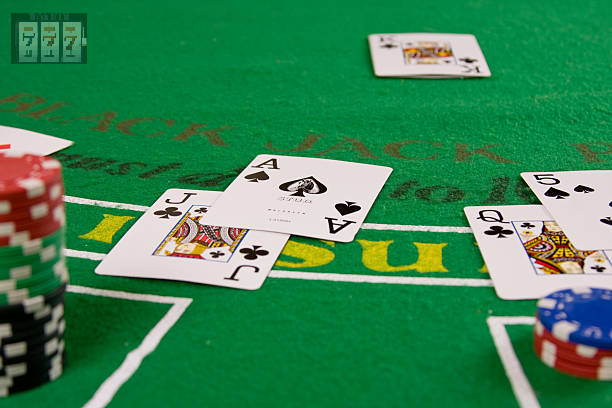
Gambling can be categorized into several types, each offering distinct experiences and rules. Some of the most common forms include casino games, sports betting, lotteries, and online gambling. Casino games such as poker, blackjack, and slot machines are popular for their variety and potential payouts. Each game has its strategies and odds, appealing to different preferences and skill levels.
Sports betting allows individuals to place wagers on the outcomes of various sporting events, which can range from professional leagues to college games. Additionally, lotteries provide a chance to win large sums of money for a relatively low investment, although the odds of winning are typically quite slim. Understanding these different types can help beginners make informed choices about where to start their gambling journey.
The Role of Probability and Odds
One of the foundational concepts in gambling is probability, which dictates the likelihood of a particular outcome occurring. Understanding how odds are calculated and applied in gambling is crucial for making informed decisions. Odds can be presented in various formats, such as fractional, decimal, or moneyline, and they provide insight into the potential returns on a wager.
Beginners should familiarize themselves with the odds associated with different games and bets, as this knowledge can significantly impact their gambling strategy. By grasping the relationship between odds and probability, players can better assess the risks involved and make more strategic decisions when placing their bets.
The Impact of Technology on Gambling
Technology has dramatically transformed the gambling landscape over the past few decades. The rise of the internet has enabled the proliferation of online casinos and sports betting platforms, making it easier than ever for individuals to gamble from the comfort of their homes. Mobile applications have further enhanced accessibility, allowing users to place bets or play games on the go.
Moreover, technology has introduced innovations such as live dealer games and virtual reality experiences, creating immersive gambling environments that mimic the excitement of physical casinos. While these advancements have made gambling more convenient and engaging, they also come with risks, including the potential for addiction and increased chances of losing money. Understanding these dynamics is vital for responsible gambling practices.

Responsible Gambling and Resources
For beginners, understanding responsible gambling is paramount. This means setting limits on time and money spent gambling, recognizing when to stop, and being aware of the signs of problem gambling. Many organizations offer resources and support for individuals who may be struggling with gambling addiction, and it’s essential to seek help if needed.
Responsible gambling also involves making informed decisions about the games played and understanding the odds involved. By prioritizing enjoyment over financial gain and being aware of the risks, individuals can have a safer and more enjoyable gambling experience.
No comments